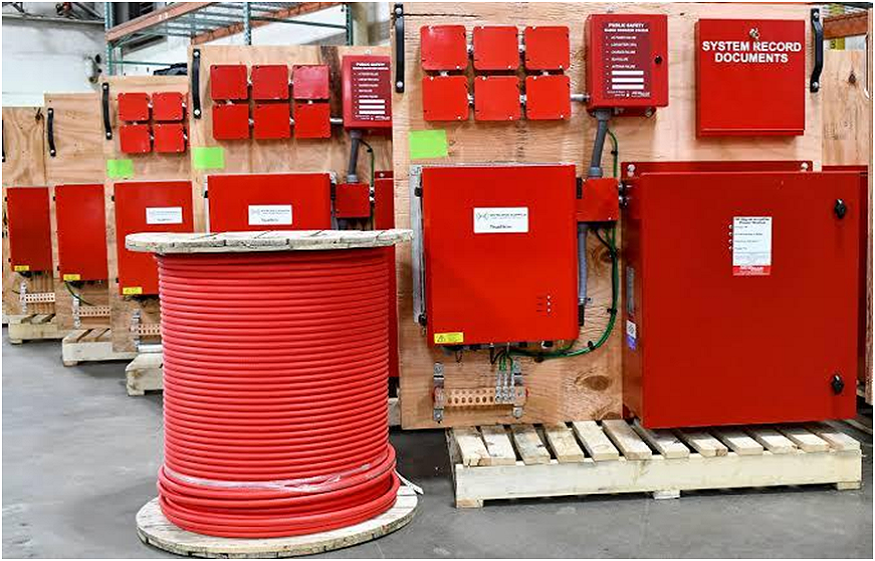
Austin owners usually consider upgrades when something feels off: radio checks fail in a stairwell, an inspector asks for fresh documentation, or a tenant renovation changes how signals move. The tricky part is that “working” can be misleading. A system might pass a casual walk test, yet struggle in the exact routes responders rely on during a real incident. Before spending money, owners need a clear picture of today’s performance and tomorrow’s risks.
Upgrading is easier when it is treated like building operations, not a fire drill. That means defining priority areas, planning access windows, coordinating power and monitoring, and deciding how success will be measured at closeout. When the process is structured, the building stays calmer, tenants are less disrupted, and the paperwork is ready when the Authority Having Jurisdiction wants proof.
Start With a Baseline and a Clear Upgrade Goal
A good upgrade starts with a baseline that is more than a quick hallway check. Owners can map the building’s critical paths and test the same points repeatedly so results are comparable over time. Stairwells, garages, fire command areas, and deep interior corridors usually reveal problems first. When the baseline is clear, teams stop arguing about opinions and start working from measured performance in the places that matter most, every quarter.
Baseline work also clarifies what changed since the last approval and why it matters today. If a tenant build-out added fire-rated doors, new partitions, or dense storage, those details should be captured alongside the readings. That context makes troubleshooting faster and prevents overbuilding the wrong zones.
Austin AHJ Alignment for Public Safety DAS Scope and Reporting
In Austin, the approval path often depends on how well the scope aligns with the local AHJ’s expectations. A public safety DAS system upgrade should define required areas, the test method, and the reporting format before crews ever touch ceilings. When those items are agreed early, retesting risk drops, and timelines stay calmer before the final inspection is scheduled. Owners also gain leverage by reserving access windows and coordinating trades with fewer late surprises.
Read More: Branded Merchandise Supplier: How the Right Partner Elevates Your Brand Visibility
Owners should ask for a closeout package that is inspection-friendly and usable later. That usually includes as-builts, labeling maps, power notes, and test summaries tied to mapped points. If the building changes again, the team can compare the before and after results without guessing. Clean records also protect continuity when managers rotate, vendors change, or a building is sold, and the next team inherits responsibility overnight, with almost no context at all.
Build a Power and Monitoring Plan That Survives Real Events
Power planning is where many upgrades quietly succeed or fail. Batteries age, chargers drift, and transfer events can cause brief dips that reboot sensitive equipment. A strong plan confirms what is on backup, how long it will run under load, and who receives alarms when something faults. Owners should also confirm room conditions, because heat and poor ventilation can shrink runtime and shorten component life during multi-hour outages.
Monitoring deserves the same attention as capacity. If an alarm triggers at 2 a.m., the building needs a realistic escalation path, access procedure, and service response plan. Otherwise, a small issue becomes a long outage in a key zone. When power and monitoring are treated as operational systems, upgrades feel less like a one-off project and more like an investment that stays dependable across seasons and tenant cycles, year after year.
Public Safety DAS Route-First Design
A public safety distributed antenna system upgrade should be designed around responder behavior, not just the most visible spaces. Stairwells, garage ramps, loading corridors, and interior routes are where coordination happens under stress. These zones also have the hardest construction materials. When antenna placement and pathways are built around these priorities, the building is more likely to pass verification and perform consistently during real incidents, even in poor conditions indoors.
Design decisions should also anticipate change, because buildings rarely sit still. If the property expects more tenants, more devices, or a reconfigured floor plan, the upgrade should include practical headroom. That can mean reserving pathways, keeping head-end space serviceable, and choosing an architecture that scales without reopening premium ceilings. Planning for growth keeps future adjustments smaller, faster, and far less disruptive.
Phase Work to Protect Tenants and Maintain Daily Operations
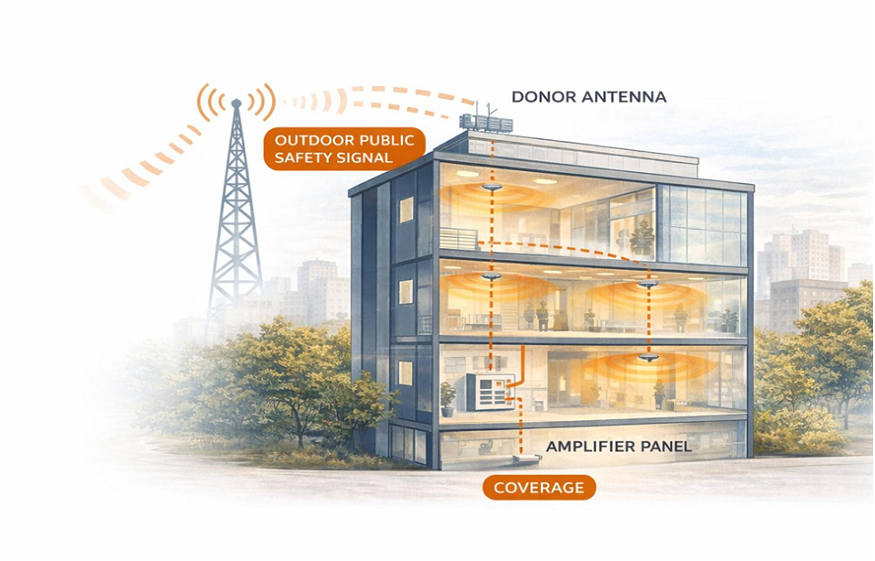
Occupied buildings live or die on coordination. A public safety DAS system upgrade can stay low-disruption when work is phased by zone, and noisy tasks are batched outside peak hours. Daytime activity can focus on quiet pulls, closet work, and documentation. Teams should restore ceilings the same day whenever possible and keep corridors clear of staged materials so tenants do not feel like they are working inside a job site.
Owners also benefit from clear access rules that crews can follow. Security escorts, elevator use, suite entry procedures, and “no-go” hours should be agreed upon before the first site day. When the schedule is predictable, tenants cooperate more and complaints drop. That cooperation matters because it reduces idle labor and prevents last-minute rescheduling. In the end, smoother access is often the difference between an on-time closeout and a dragged-out project later.
Pre-Test, Tune, and Leave a Reusable Closeout Package
Testing should be planned as a workflow, not a final hurdle. A public safety distributed antenna system upgrade is easier to defend when teams pre-test critical zones, tune weak pockets, then run the formal verification with consistent tools and mapped points. If something fails, retesting stays focused and efficient. This approach prevents the common mistake of repeating whole floors when only a few locations need correction at the very end.
Read More: How a Modern Website Designing Service Uses Psychology to Drive Conversions
Closeout should leave the next team in a better position than the last one. Owners can request a single folder that includes as-builts, labeling photos, power and battery records, and a baseline test summary by zone. With that package, future tenant work becomes easier to manage because the building can verify performance after changes without restarting the process. It also makes vendor transitions simpler and keeps accountability clear for years.
Conclusion
The same pattern in Austin upgrades: systems pass once, then drift as buildings change, and timelines get tighter. Owners reduce risk when they treat upgrades as a repeatable process, with clear priority areas, stable power planning, and verification that can be explained quickly. When the approach is structured, tenants stay calmer, access is easier to schedule, and the building keeps dependable coverage in the spaces responders rely on most.
CMC communications can support building owners by coordinating upgrade scope, testing steps, and closeout records so the next renovation is not a restart. Their team helps owners prioritize critical areas, keep documentation organized, and plan low-disruption access windows that work in occupied buildings. The result is smoother approvals, fewer surprises, and a system that remains easier to maintain as the property grows and tenant layouts evolve over time, with less friction.
Frequently Asked Questions
Question: What usually triggers an upgrade in Austin buildings?
Answer: Upgrades are often triggered by failed stairwell checks, a change in AHJ requirements, major tenant remodels, or repeated radio complaints in garages and interior corridors. Owners also upgrade when batteries, monitoring, or hardware reach end-of-life. A practical trigger is drift: performance that used to be consistent becomes spotty in the same routes. When that trend shows up, planning early saves cost and disruption.
Question: How can owners confirm what is broken before upgrading?
Answer: Owners can start with a mapped baseline in priority zones and test the same points over multiple days. That shows whether the issue is isolated, spreading, or tied to a recent building change. Pair readings with notes about doors, partitions, and storage density so results are not misread. A short baseline report makes the upgrade scope clearer and prevents overbuilding.
Question: Which areas should be treated as non-negotiable for testing?
Answer: Stairwells, garages, fire command locations, main responder routes, and deep interior corridors are the usual non-negotiables. These areas tend to fail first because of concrete, steel, and fire-rated assemblies. Testing these zones first keeps fixes focused. It also reduces retesting because reviewers can quickly see performance where it matters most.
Question: What causes delays at closeout and inspection?
Answer: Delays often come from unclear pass criteria, incomplete documentation, or access problems that prevent testing in required areas. Another common issue is the transfer and power behavior that causes equipment resets during verification. Planning the test method early, reserving access windows, and keeping a clean closeout package reduces back-and-forth. Pre-testing also catches weak pockets before formal review.
Question: How do owners keep tenant disruption low during an upgrade?
Answer: Low disruption comes from phasing work by zone, batching noisy tasks outside peak hours, and restoring ceilings the same day. Clear weekly notices and one point of contact reduce access conflicts. Keeping corridors clear and avoiding midday drilling protects tenant trust. When tenants see predictable behavior, they cooperate more, and timelines stay steadier.